Commercial Ventilation System with HEPA and Activated Carbon Filtration
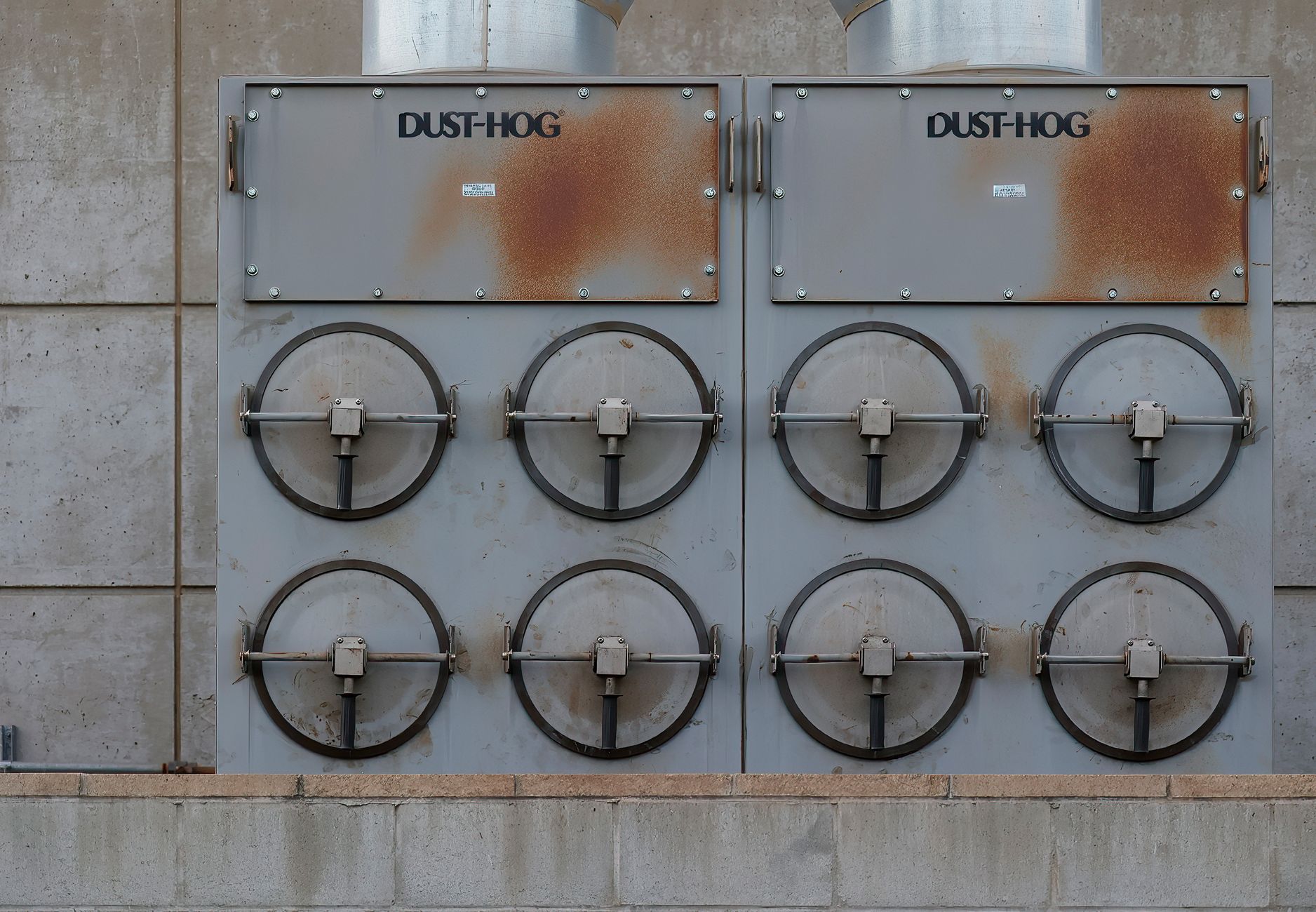
The Commercial Ventilation System with HEPA and Activated Carbon Filtration is engineered for high-performance indoor air quality management in demanding commercial environments. Designed to capture particulates down to 0.3 microns and adsorb volatile organic compounds (VOCs), this system ensures compliance with stringent industrial air standards. Its modular design supports integration into existing HVAC infrastructure, delivering continuous, reliable air renewal with minimal maintenance demands. Engineered for durability and efficiency, the system operates at variable airflow rates from 1,200 to 4,500 CFM, making it suitable for spaces ranging from medical facilities to food processing plants. The dual-filtration approach—combining a true HEPA filter with a high-density activated carbon layer—targets both airborne particles and gaseous contaminants, significantly reducing cross-contamination risks and enhancing occupant safety in sensitive operations.
Main Specifications
| Airflow Rate | 1,200 – 4,500 CFM |
| Filter Efficiency (HEPA) | 99.97% @ 0.3 µm |
| Activated Carbon Layer Thickness | 60 mm |
| Noise Level (at 3,000 CFM) | ≤58 dBA |
| Power Consumption | 380 W (max) |
| Operating Temperature Range | -10°C to +50°C |
| Relative Humidity Tolerance | Up to 90% RH (non-condensing) |
| Duct Connection Size | 8" round or 12" x 16" rectangular |
| Frame Material | Galvanized steel with powder coating |
| Certifications | ISO 14644-1 Class 5 compliant test data available |
Core Advantages
- Dual-stage filtration removes 99.97% of sub-micron particles and up to 95% of VOCs, ideal for contamination-sensitive environments
- High-density activated carbon layer resists saturation longer than standard media, extending filter life by up to 40%
- Low noise operation enables use in occupied spaces without disrupting workflow or comfort
- Variable speed drive (VSD) compatibility allows energy savings during partial-load conditions
- Modular construction simplifies installation and retrofitting into existing commercial HVAC systems
Typical Application Scenarios
- Pharmaceutical manufacturing cleanrooms requiring ISO 14644-1 Class 5 air quality
- Hospital operating theaters and isolation rooms with strict airborne pathogen control needs
- Food and beverage production lines where odor control and particle removal are critical
- Laboratories handling hazardous chemicals or biological agents
- Printing facilities with high VOC emissions from inks and solvents
Buying Tips for Importers
- Verify actual carbon depth—not just 'high capacity' claims—since thicker beds significantly extend adsorption lifespan
- Confirm whether the HEPA filter is certified to EN 1822 Type H13; avoid untested or generic 'HEPA-like' filters
- Ensure duct size matches existing infrastructure to prevent pressure drops and reduced efficiency
- Check for real-time monitoring capability (e.g., differential pressure sensors) to detect filter blockage early
- Request third-party performance test reports under real-world load conditions, not just lab specs