Heavy-Duty Ozone Generator for Industrial Cleaning and Decontamination
Ozone Generators
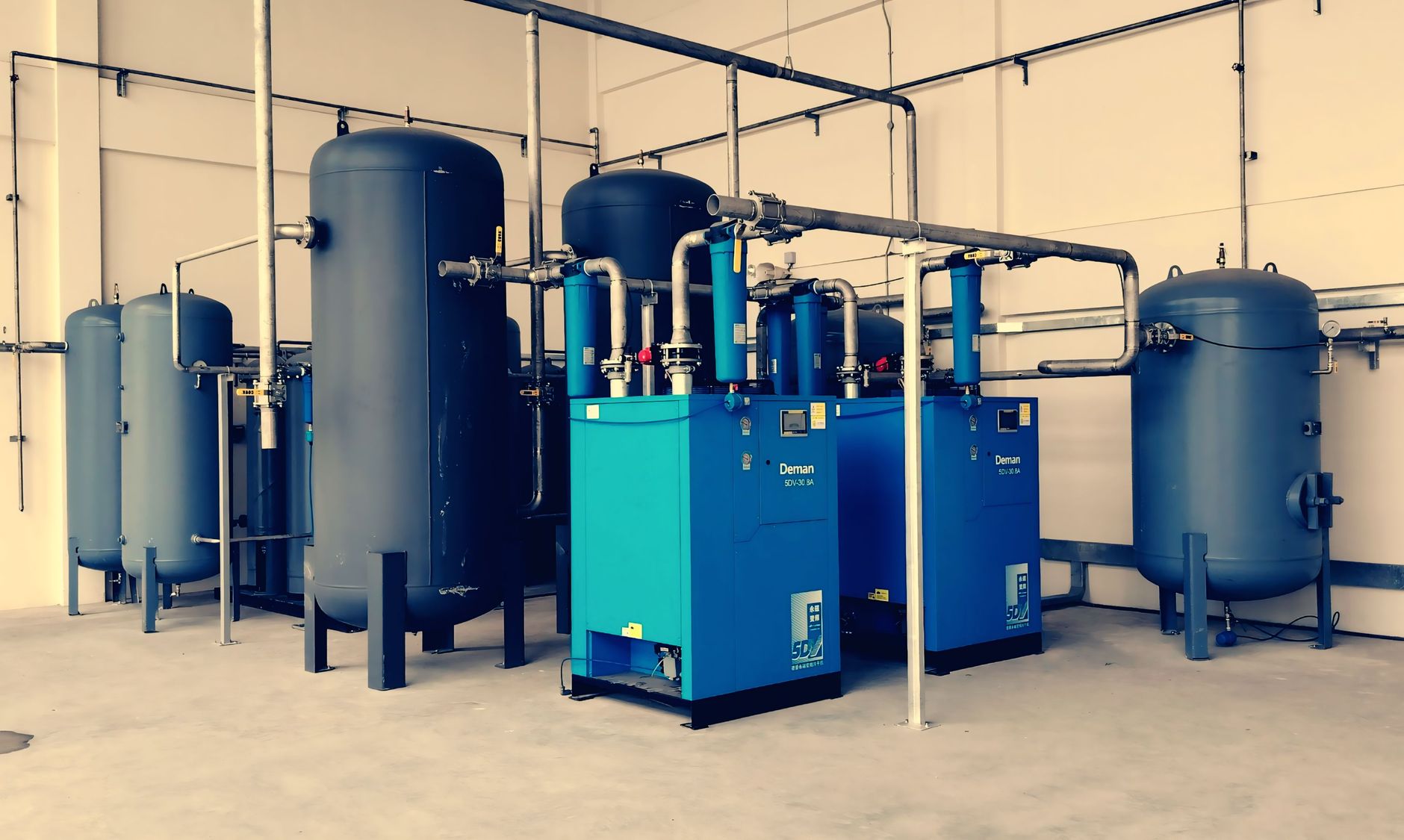
The Heavy-Duty Ozone Generator is engineered for continuous industrial use in large-scale decontamination and surface sterilization across manufacturing, wastewater, and food processing facilities. Utilizing corona discharge technology, it produces high-concentration ozone (up to 150 g/h) to neutralize pathogens, volatile organic compounds, and persistent odors in confined or high-traffic environments. Designed for integration into HVAC systems or standalone deployment, this unit ensures rapid air and surface purification without chemical residues, reducing reliance on hazardous cleaning agents and lowering long-term maintenance expenses.
Main Specifications
| Ozone Output | 120–150 g/h (continuous operation) |
| Power Supply | 3-phase 400V AC, 50/60 Hz |
| Operating Temperature Range | -10°C to 50°C |
| Humidity Tolerance | Up to 90% RH (non-condensing) |
| Noise Level | ≤65 dB(A) at 1m distance |
| Ozone Concentration | 50–100 ppm (adjustable via control panel) |
| Dimensions (L×W×H) | 850 × 600 × 1800 mm |
| Weight | 145 kg |
| Control Interface | Digital touchscreen with remote monitoring |
| Certifications | CE, RoHS, ISO 13485 compliant (process validation) |
Core Advantages
- Reduces chemical consumption by up to 70%, cutting recurring supply costs
- Scalable output supports multi-zone decontamination without system upgrades
- Low energy draw per gram of ozone produced—improves long-term cost efficiency
- Remote diagnostics minimize downtime and service call expenses
- Built-in safety interlocks prevent ozone exposure during operation
Typical Application Scenarios
- Post-fire restoration in commercial buildings and factories
- Sterilization of food processing lines and packaging areas
- Wastewater treatment plant odor control and pathogen reduction
- Decontamination of pharmaceutical manufacturing cleanrooms
- Disinfection of mold-infested industrial warehouses and storage units
Buying Tips for Importers
- Avoid suppliers quoting 'standard' models without specifying actual ozone output under real-world load conditions
- Verify power requirements match your facility’s electrical infrastructure to prevent costly upgrades
- Request proof of performance testing at full capacity—not just rated peak values
- Ensure the control system supports integration with existing BMS or SCADA platforms to avoid retrofitting fees
- Confirm warranty coverage includes parts and labor for at least 2 years to reduce lifecycle cost risk
Frequently Asked Questions
How do I calculate the true cost per kilogram of ozone delivered?
Divide total energy consumption (kWh) over a 24-hour period by the actual ozone yield in grams. A well-designed unit should consume under 2.5 kWh per 100g of ozone. Lower ratios indicate better efficiency and lower long-term operating costs.
Can I negotiate volume discounts if I need multiple units across different sites?
Yes—Pandatrade enables consolidated procurement agreements where bulk orders across 5+ units receive tiered pricing reductions of 12–18%. Submit site-specific demand forecasts to unlock these savings early in the sourcing process.
What are hidden costs when buying an ozone generator from low-cost suppliers?
Many budget models require frequent replacement of internal components like ceramic plates or electrodes due to poor material quality. These recurring part costs can exceed initial purchase price within 18 months. Always verify component lifespan and availability.
How does ozone concentration affect decontamination cycle time and cost?
Higher concentration reduces required dwell time by up to 40%, allowing more production cycles per day. However, exceeding 100 ppm increases equipment wear and safety compliance overhead. Optimize between 60–80 ppm for best balance of speed and longevity.