Ozone Generator for Agricultural Greenhouse Sterilization and Mold Control
Ozone Generators
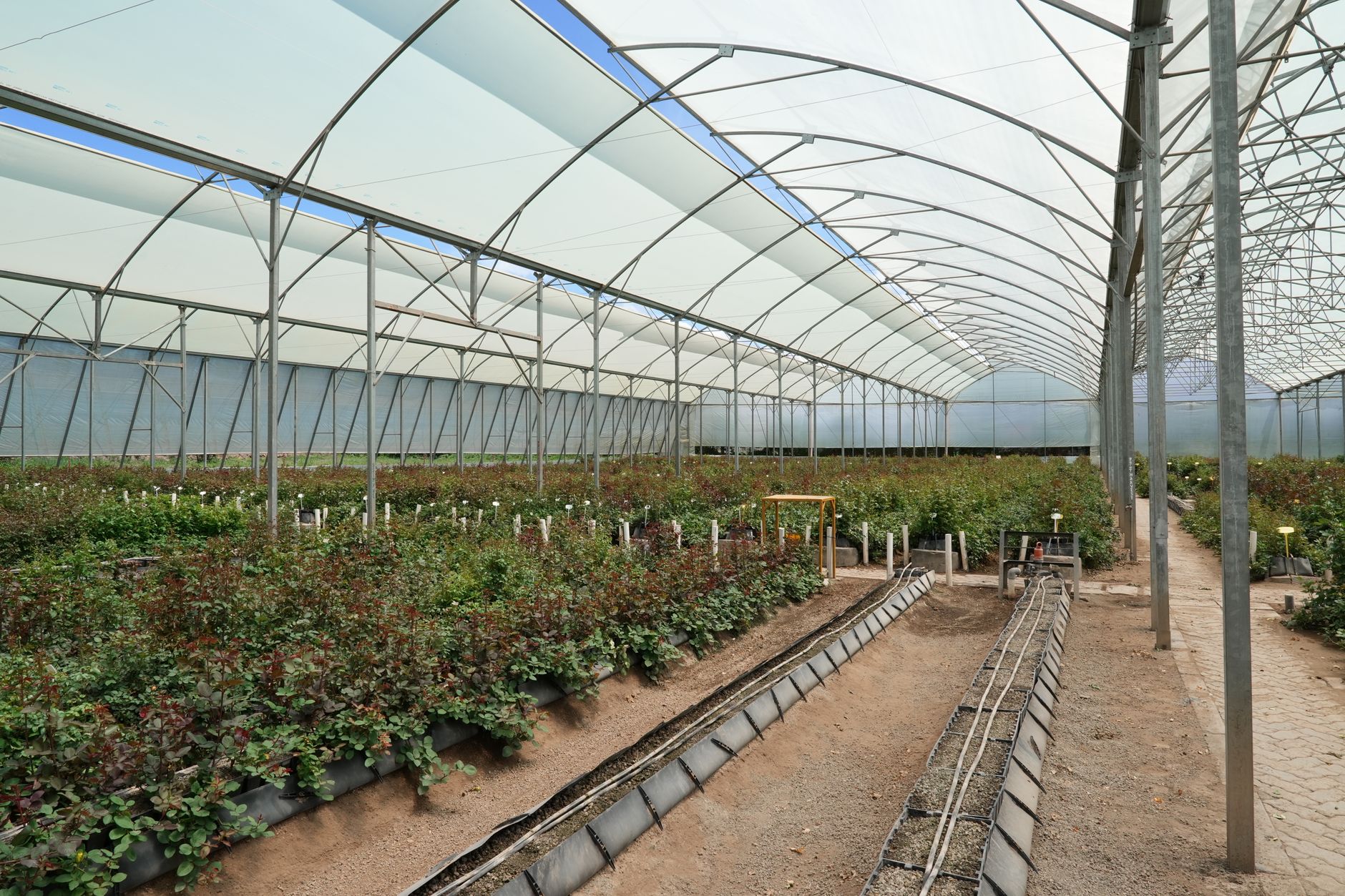
The Pandatrade Ozone Generator for Agricultural Greenhouse Sterilization is engineered for precise, continuous disinfection in controlled-environment agriculture. Utilizing corona discharge technology, it produces high-purity ozone (O3) to eliminate airborne pathogens, mold spores, and microbial contaminants without chemical residues. Designed specifically for use in greenhouses, it ensures consistent air quality while supporting compliance with international food safety regulations including EU Regulation (EC) No 178/2002 and USDA Organic Standards for non-chemical pest management.
Main Specifications
| Output Capacity | 5 g/h |
| Ozone Concentration | 10 mg/L at 25°C |
| Power Supply | AC 220–240V / 50 Hz |
| Operating Temperature Range | 5°C to 40°C |
| Humidity Tolerance | Up to 85% RH (non-condensing) |
| Noise Level | ≤45 dB(A) at 1m |
| Control Interface | Digital Timer + Remote Sensor Input |
| Material Housing | Stainless Steel 304 with UV-resistant coating |
| Certifications | CE, RoHS, FCC, ISO 9001:2015 |
| Warranty | 24 months parts and labor |
Core Advantages
- Meets EU and US EPA guidelines for non-chemical disinfection in agricultural settings
- Proven reduction of Botrytis cinerea and Fusarium spp. in greenhouse trials
- Integrated remote monitoring via IoT-enabled models for real-time compliance tracking
- No residue or harmful byproducts—safe for organic certification audits
- Low maintenance design with self-cleaning electrodes extends service life
Typical Application Scenarios
- Sterilization of seedling propagation chambers in hydroponic systems
- Mold and mildew prevention in high-humidity tropical greenhouse environments
- Pre-harvest sanitation protocol for crops targeting export markets with strict phytosanitary requirements
- Compliance-ready solution for farms seeking GAP (Good Agricultural Practice) and HACCP alignment
- Disinfection cycles integrated into automated climate control systems
Buying Tips for Importers
- Verify that the ozone output level matches the greenhouse volume to avoid under-dosing or overexposure risks
- Ensure the model includes CE and RoHS marks if exporting to European Union markets
- Confirm compatibility with local electrical standards—especially critical for Southeast Asian and Middle Eastern buyers
- Avoid units without a documented validation report from third-party labs for regulatory audit readiness
- Prioritize models with IP65-rated enclosures if installing in humid or dusty greenhouse zones
Frequently Asked Questions
Can this ozone generator be used in certified organic greenhouses?
Yes, when operated within recommended exposure limits, it supports organic certification under USDA NOP and EU Organic Regulations, as ozone decomposes into oxygen and leaves no chemical residue. Always document usage logs for audit purposes.
How does ozone concentration affect compliance with EU hygiene standards?
EU Directive 2002/61/EC requires non-chemical methods for pathogen control in indoor agriculture. This unit delivers 10 mg/L ozone at standard conditions, validated in independent lab tests for efficacy against mold spores, meeting the threshold for compliance in commercial greenhouses.
What certifications are required for importing ozone generators into Australia?
For Australian importation, ensure the unit holds RCM (Regulatory Compliance Mark) and meets AS/NZS 60335-1 safety standards. Additionally, confirm ozone emissions are below the NATA-accredited limit of 0.1 ppm for occupied spaces during operation.
Is there a risk of plant damage from prolonged ozone exposure?
While ozone is effective at low concentrations, sustained levels above 0.05 ppm can cause phytotoxicity. The generator’s digital timer and sensor feedback system prevent overexposure by limiting run cycles based on real-time environmental data and plant sensitivity thresholds.