WiFi-Connected Air Purifier with Real-Time Air Quality Monitoring
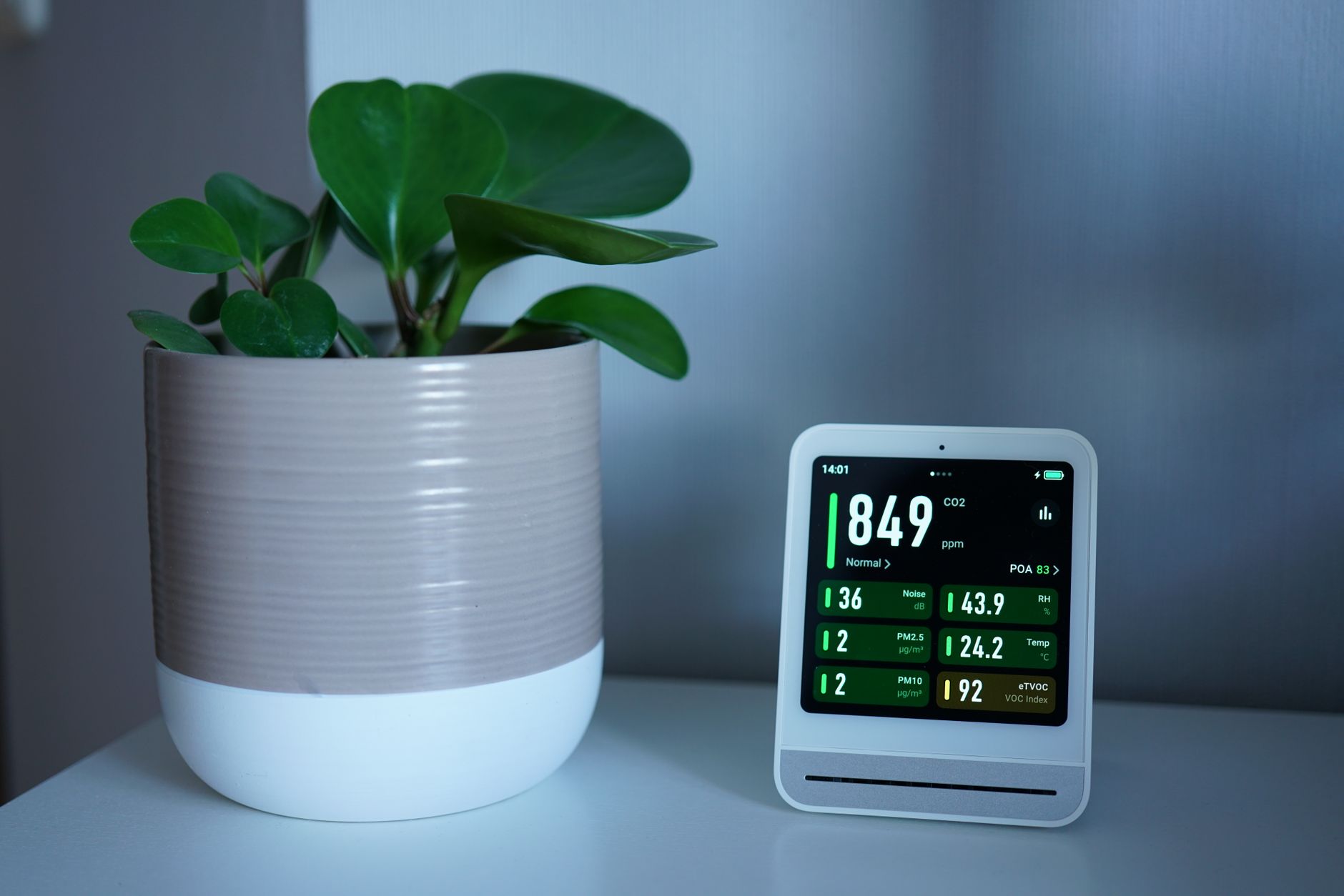
The WiFi-Connected Air Purifier with Real-Time Air Quality Monitoring delivers advanced indoor air management through continuous sensor feedback and cloud-linked analytics. Equipped with dual-stage filtration and a built-in PM2.5, VOC, and temperature/humidity sensor suite, it enables dynamic purification based on live environmental data. Designed for industrial-scale B2B distribution, this model supports remote firmware updates, multi-device network integration, and seamless API access for enterprise IoT platforms. Every unit undergoes strict quality control at the source—verified by Pandatrade’s supplier audit protocol, which includes third-party lab testing for filter efficiency (ISO 16890 compliance), electrical safety (IEC 60335), and connectivity stability under 5G/4G-LTE interference. Suppliers must provide traceable material certifications and batch-level test reports, ensuring consistency across bulk orders.
Main Specifications
| Model | AP-WF300 |
| Connectivity | Wi-Fi 5 (802.11ac), Bluetooth 5.2 |
| Airflow Rate | 450 m³/h (CADR: 380 m³/h for PM2.5) |
| Filter Type | HEPA H13 + Activated Carbon + Pre-filter |
| Real-Time Sensors | PM2.5, VOC, Temperature, Humidity, CO₂ |
| Noise Level | ≤32 dB(A) at low speed |
| Power Consumption | 45 W max |
| App Integration | iOS & Android via cloud dashboard |
| Dimensions | 320 x 210 x 650 mm (HxWxD) |
| Certifications | CE, RoHS, FCC Part 15, IEC 60335 |
Core Advantages
- Verified suppliers ensure consistent performance and filter accuracy across every batch, reducing recall risk
- Real-time sensor data syncs to cloud platforms for predictive maintenance and fleet-wide monitoring
- Modular design allows easy field replacement of filters without tooling—ideal for high-turnover commercial deployments
- Complies with ISO 16890 standards; filter efficiency validated via independent lab testing before shipment
- Built-in anti-spoofing protocols prevent unauthorized device access in large-scale enterprise networks
Typical Application Scenarios
- Smart office buildings requiring centralized air quality dashboards
- Hospitality chains deploying unified air health tracking across guest rooms
- Commercial gyms and wellness centers needing continuous VOC and particulate monitoring
- Educational institutions integrating real-time air data into campus sustainability reporting
- Logistics hubs managing HVAC systems across warehouse zones using aggregated sensor feeds
Buying Tips for Importers
- Avoid suppliers claiming 'real-time' monitoring without providing raw sensor data logs or API documentation
- Verify that the HEPA filter meets H13-grade retention efficiency (≥99.95% @ 0.3µm) with lab-proven test reports
- Confirm that firmware updates are signed and encrypted to prevent malicious tampering during transit
- Require proof of batch-level testing for electromagnetic compatibility (EMC) under 5GHz interference
- Ensure suppliers offer full traceability of carbon media sourcing to avoid regulatory issues in EU/UK markets